The initiative forms part of a broader strategy for the management and promotion of Thessaloniki’s cultural heritage, leveraging its unique wealth of monuments as a driver for sustainable urban and tourism development.
The call for proposals concerns submissions aimed at enhancing the functional, aesthetic, and experiential connectivity of the monuments, making them more visible, accessible, and recognizable for both residents and visitors. Interventions are expected to align with the principles of sustainable development, highlight the city’s cultural identity, and contribute to the creation of a cohesive and high-quality public space.
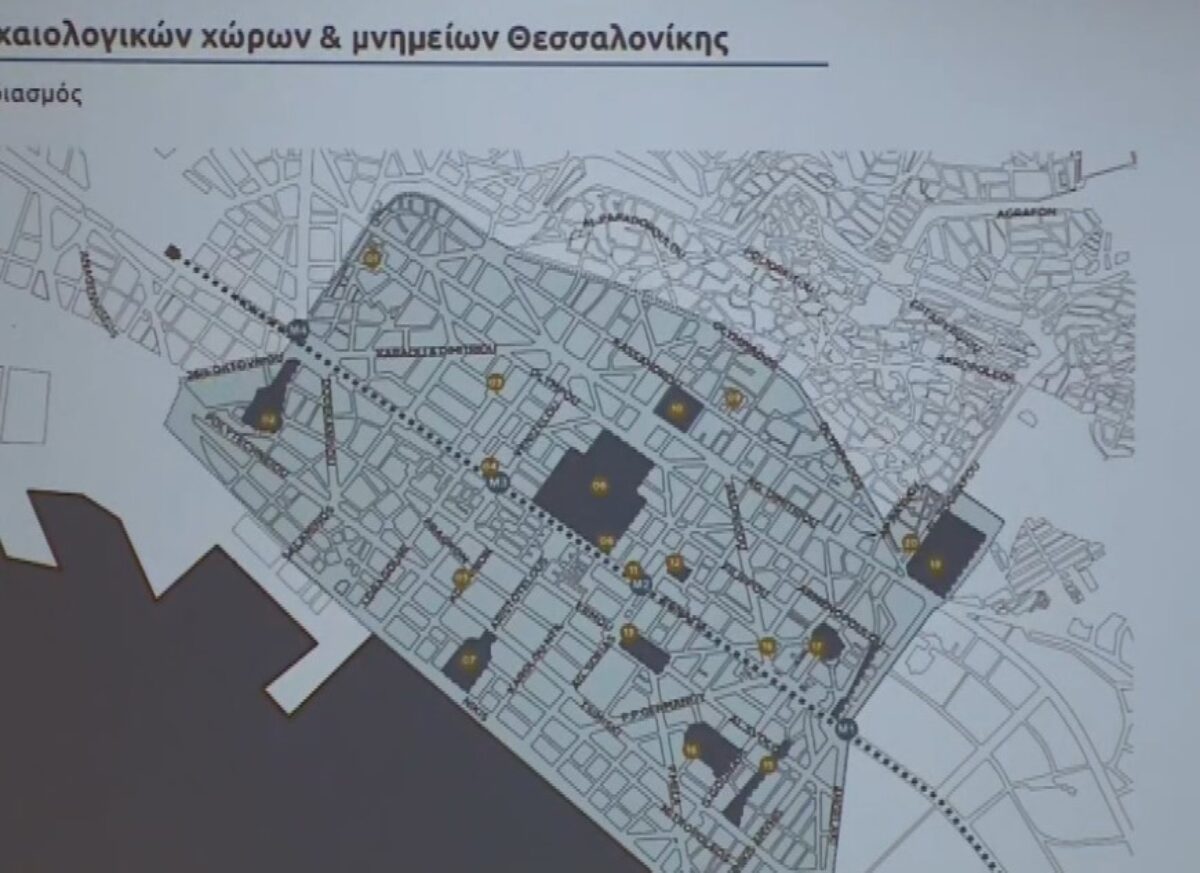
Thessaloniki is one of the most significant historical and cultural centers in Greece and Southeastern Europe, with continuous habitation from 315 BCE to the present day. Its urban landscape bears the distinct imprint of successive civilizations, from the Hellenistic and Roman periods to the Byzantine, Ottoman, and modern Greek eras, with a particularly dense concentration of monuments and archaeological sites in the historic center and surrounding areas of the city.
At the core of the Ministry of Culture’s policy is the protection and promotion of monuments of global cultural significance that are listed on the UNESCO World Heritage List. Funded through the Recovery Fund and the NSRF (National Strategic Reference Framework), projects are being implemented for the conservation, restoration, and promotion of important Byzantine and Early Christian monuments, reflecting the Ministry’s responsibility to safeguard heritage from all historical periods.
This strategy extends beyond the mere preservation of cultural heritage, aiming also to link it to tourism development, social cohesion, and the strengthening of the local economy through modern practices of sustainable and socially equitable urban regeneration. This approach is further reinforced by international institutional frameworks, such as the Council of Europe’s Cultural Routes Program, which highlights the role of cultural routes as mechanisms for cultural connectivity and local development.
The decision of the Jury regarding the awarding of prizes will be binding for the Organizing Authority, which reserves the right to use the awarded and purchased proposals exclusively for the project covered by the competition, in accordance with the terms outlined in the call for proposals.
The deadline for the submission of proposals is Friday, April 10, 2026, at 14:00. After the expiration of this deadline, including any extensions, no proposals will be accepted.