In this context, the evaluation of luxury properties is carried out with realistic expectations, combining an annual net yield of around 4%–6% with long-term capital appreciation as the primary criterion. Consequently, the focus is on smart investments not only in established core areas but also in premium microlocations—specific residential units of high-quality living—where entry prices remain more balanced and the potential for future appreciation is significantly higher.
As noted in a briefing by Corina Saia, CEO of Premier Realty, a common trend in today’s market is the one-dimensional focus on fully developed areas, such as the entirety of the Northern Suburbs, where much of the value has already been priced in and opportunities for further appreciation are limited. In a high-price environment, an effective investment strategy goes beyond current valuations; it requires targeted analysis and focus on microlocations with strategic capital placement, offering potential for upgrading and long-term value growth.
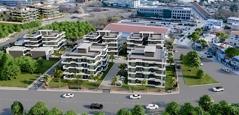
The Kifisia market is a prime example of this differentiation. In its central core, prices for newly built luxury residences currently range between €10,000 and €12,000 per square meter, effectively limiting future appreciation potential. By contrast, in select microlocations that complement the core, the development of modern new-build projects creates more balanced entry conditions, with prices starting at approximately €6,500 per square meter and significantly greater potential for capital return. In this context, the role of a competent real estate advisor is to recognize these distinctions early and guide investment decisions with a multi-year horizon, rather than relying solely on current prices and market conditions.
Quality, Flexibility, Wellness, and Microlocation
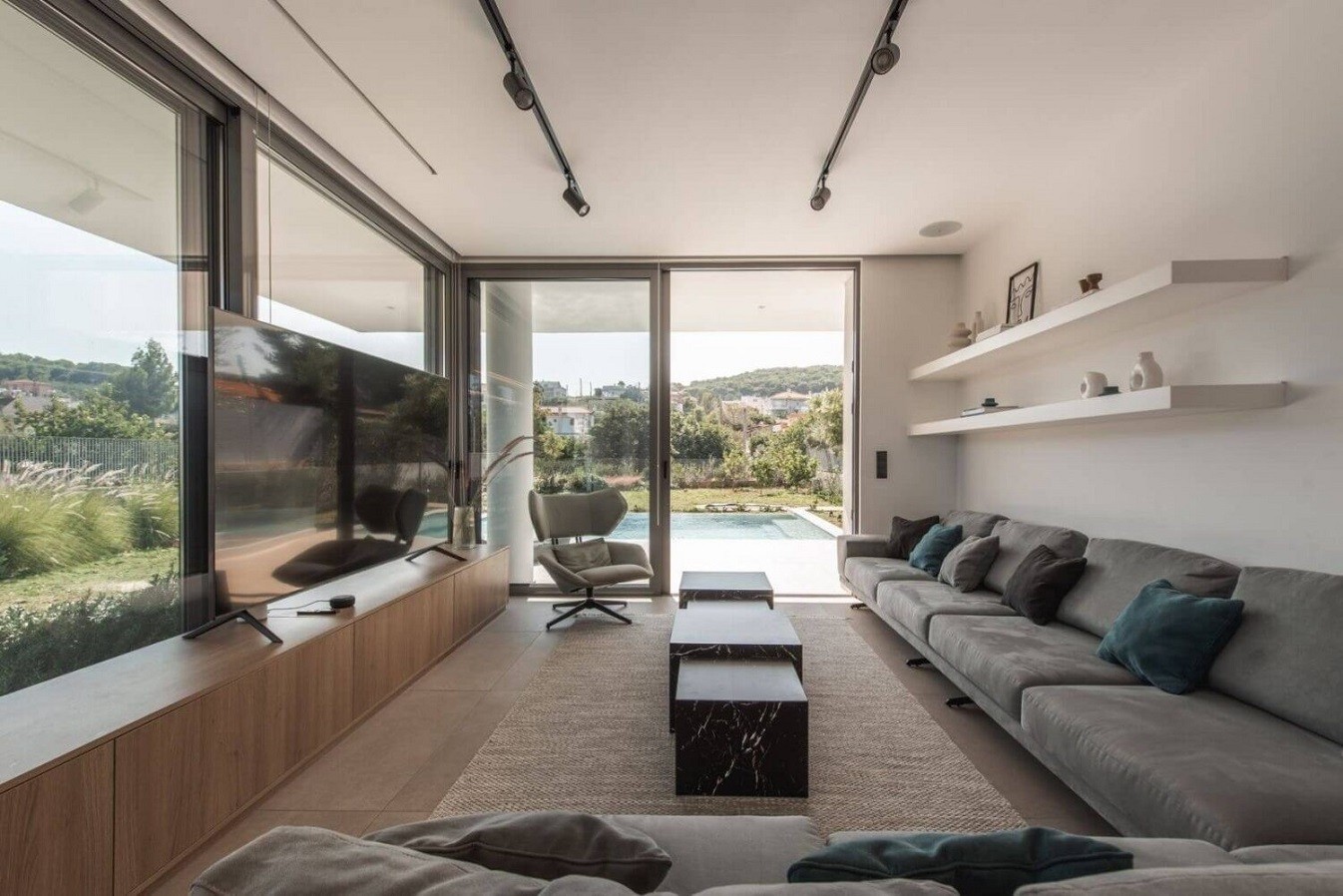
Sustainable and meaningful capital appreciation in the luxury residential market requires the combination of specific pillars that complement each other over time. According to Ms. Saia, a modern luxury home is now assessed as a comprehensive investment and functional product, rather than merely an architectural statement. Construction quality translates into certified materials, high thermal and acoustic insulation, modern HVAC systems, and energy-efficient design—elements that reduce operating costs, enhance sustainability, and support the property’s long-term value. At the same time, flexibility in use, without the need for structural interventions, allows residences to adapt to changing buyer needs, serving as a critical liquidity factor across different market cycles.
Similarly, wellness has emerged as a key pillar of modern luxury living. Fitness areas, pools, spas, and wellness features are no longer mere lifestyle amenities; they enhance attractiveness, demand, and ultimately the valuation of properties.
The concept of premium microlocations also plays a decisive role. In specific residential units within luxury areas, where lower density, high-quality surroundings, and immediate access to commercial hubs and essential services converge, new-build residential projects are being developed that incorporate these elements in a measured and meaningful way. As Ms. Saia notes, these are residences with a clear premium character, effectively bridging owner-occupation with investment logic, providing not only present-day quality of living but also solid prospects for long-term capital appreciation. In a market of high valuations, making the right investment choice is not a matter of timing but of experience, deep market knowledge, and the ability to interpret data over time.